Designing with the Land in Mind
In Colorado, a homesite is rarely neutral. Elevation shifts, rock outcroppings, mature trees, and long-range views create settings that feel expansive and dramatic. They also introduce structural and environmental realities that shape a home long before finishes are selected.
For custom luxury homes, the land is not a backdrop. It is an active design partner.
Sun exposure influences orientation and window strategy. Prevailing winds and seasonal shifts affect comfort and performance. Beneath the surface, soil composition can vary significantly — expansive clay, shallow bedrock, and steep grades all impact foundation systems and construction approach.
What appears simple from the street often requires deeper evaluation before architectural plans begin.
The Site Informs the Structure
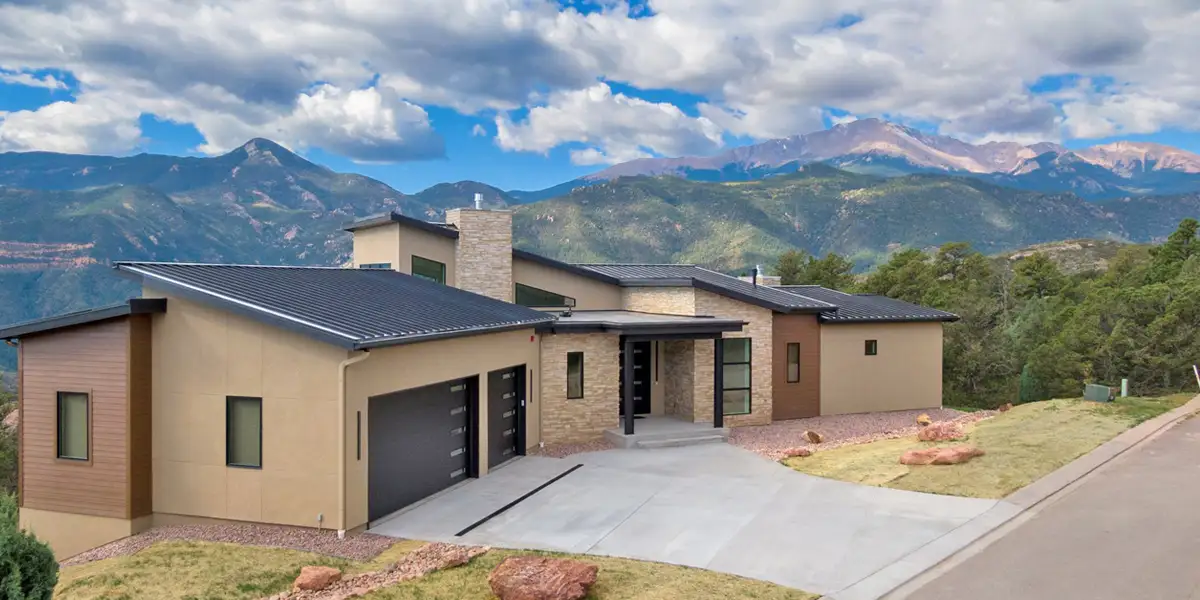
Well-integrated architecture does not sit on the land — it responds to it.
Floor elevations may step with natural contours. Structural systems adapt to slope conditions. Outdoor living areas extend from interior spaces because they were considered early, not added after design decisions were fixed.
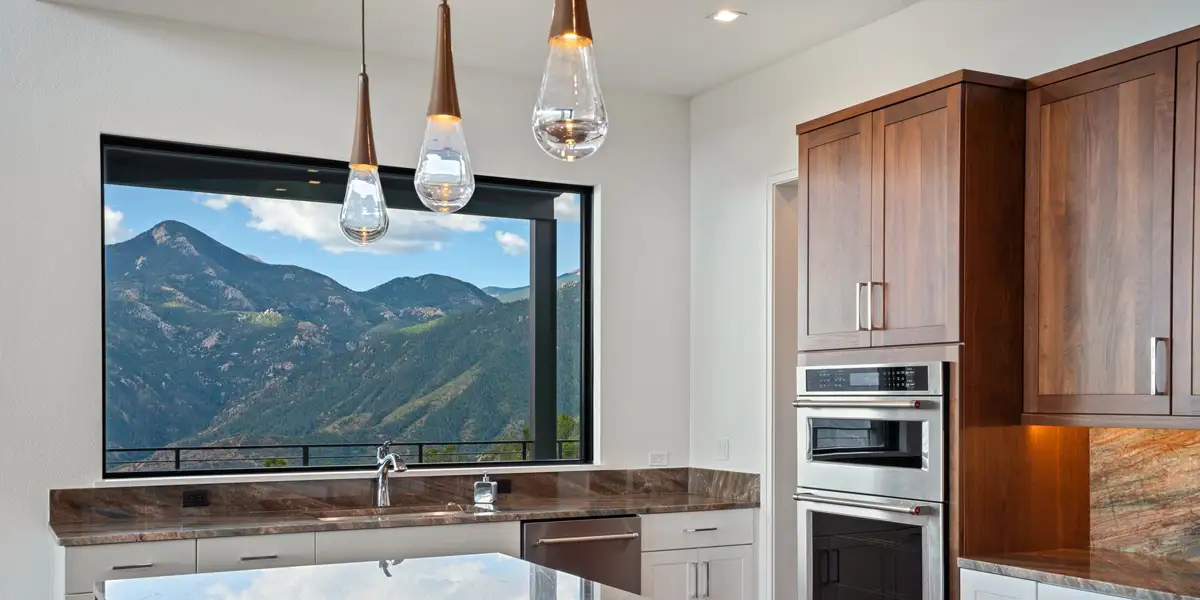
Openings frame mountain views while balancing energy performance. Rooflines respond to climate and proportion. Materials are selected not only for appearance, but for how they will weather over time.
These are aesthetic decisions, structural decisions, and financial decisions simultaneously. Addressing them early allows architecture and engineering to move together rather than react to one another.
Before Plans Take Shape
This is where experience matters.
Early site evaluation is one of the most important phases in the design-build process — and one of the most overlooked.
Reviewing a soil or geotechnical report clarifies foundation implications. Studying drainage paths and grade changes reveals how water will move across the property. Confirming utility locations and access points prevents unnecessary adjustments later. Identifying the true buildable area protects both budget and design intent.
When these realities are understood before plans are finalized, the process becomes more efficient and more intentional. Structural requirements support openness rather than limit it. Engineering solutions integrate seamlessly into the architecture. Budget decisions reflect informed priorities rather than unexpected conditions.
In Colorado’s varied terrain, this early clarity is not cautious — it is strategic.
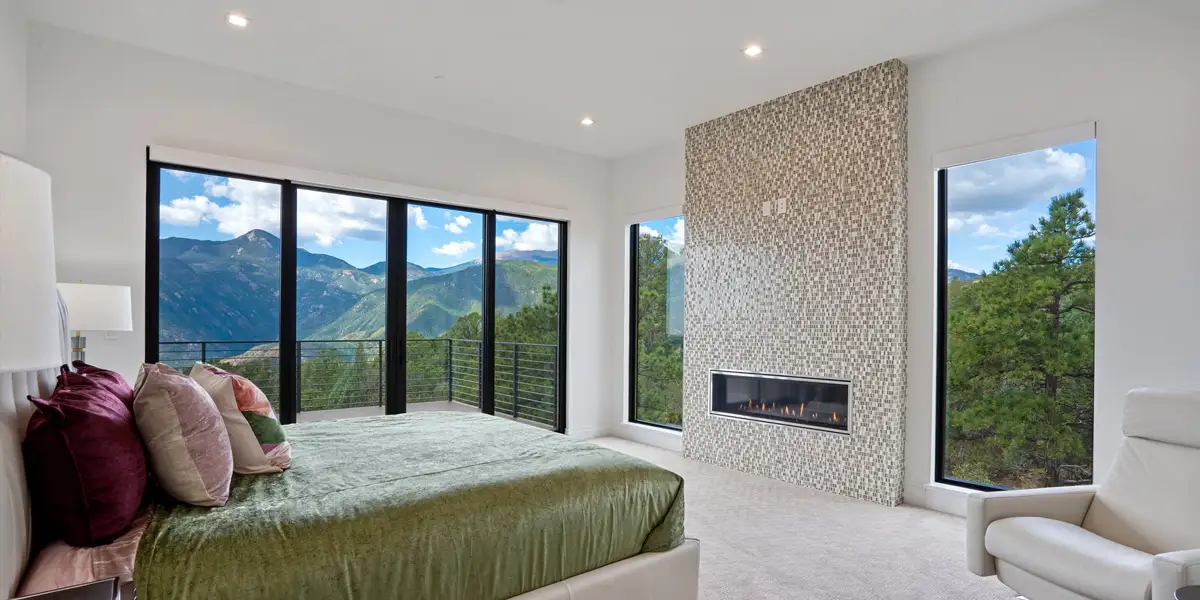
Respecting Terrain Through Craftsmanship
Colorado’s climate demands durability.
Freeze–thaw cycles affect foundations. High-altitude sun exposure influences exterior materials. Soil movement and steep grades shape long-term performance. A home must respond to these conditions as thoughtfully as it responds to proportion and detail.
In custom luxury homes, craftsmanship and engineering are inseparable. Structural integrity supports openness. Material selection reflects longevity. Drainage and grading are resolved before aesthetic layers are introduced.
When terrain is understood from the beginning, complexity becomes part of the architecture’s character rather than a challenge managed later.
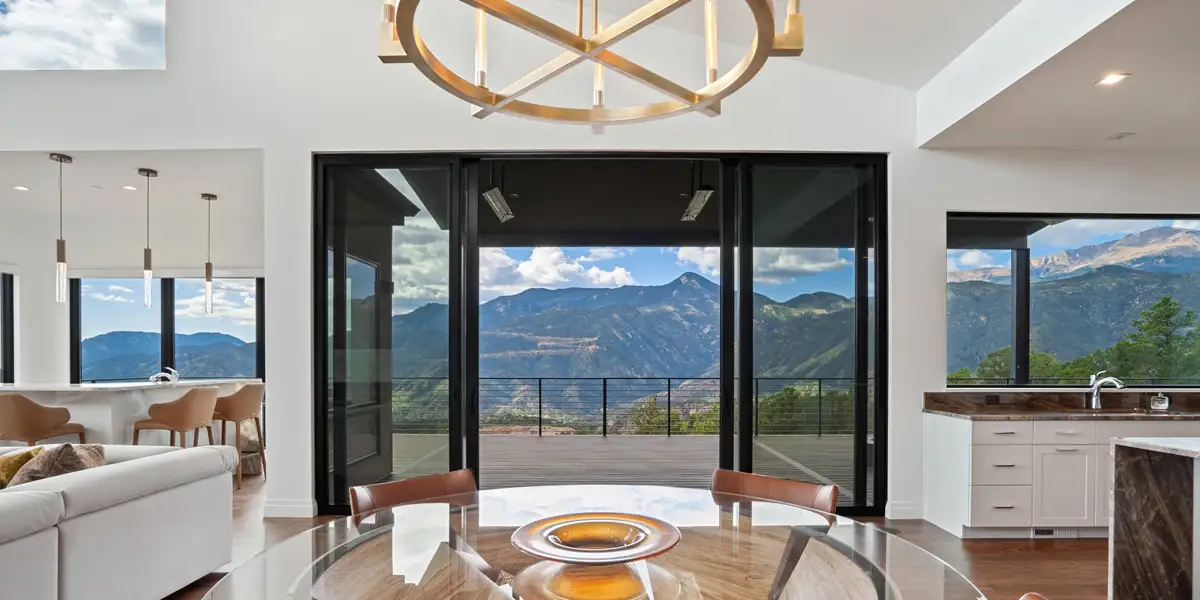
A Design-Build Advantage
An integrated design-build approach keeps land, architecture, and construction aligned from the beginning.
Site evaluation, structural planning, and architectural intent move forward together — reducing reactive changes and protecting both vision and budget.
At Comito Design | Build, this alignment guides every custom luxury home we build in Colorado. From early lot analysis through final construction, our focus remains consistent: create homes that feel grounded on their sites and perform over time.
If you are evaluating a homesite — or already own land — understanding the terrain early strengthens every decision that follows.
Author: Emily Saliba, Operations Manager